
Polynucleotides vs Lumi Eyes: Which Under-Eye Treatment Is Right for You?
Book a free consultation and claim 50% off selected treatments at Angel White, Littlehampton & Hove.
Claim your 50% off offer
Fill in the form and we'll be in touch to confirm your appointment.
Polynucleotides vs Lumi Eyes: Which Under-Eye Treatment Is Right for You?
Comparison guide for hydration, regeneration and brighteningDark circles, fine lines, crepey skin, and tired-looking under-eyes are common concerns. Polynucleotides and Lumi Eyes both improve under-eye skin quality, but they work differently and suit different concerns.
This page compares polynucleotides vs Lumi Eyes so you can understand the difference between regeneration-focused treatment and hydration-focused treatment before booking.
At Angel White, we offer both treatments and can recommend the right option, or the right combination, based on your under-eye goals, skin quality, budget, and treatment preferences.
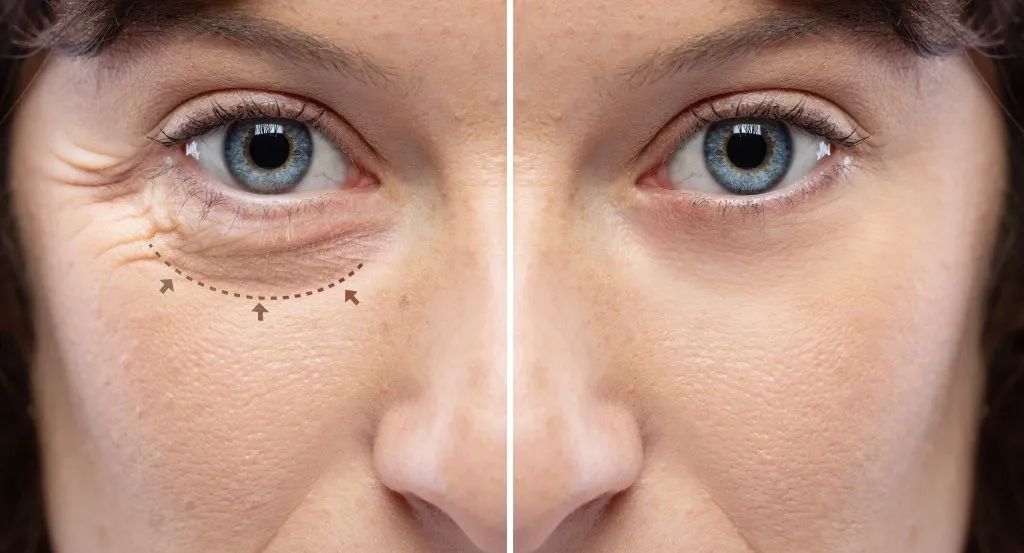
Quick Overview – Polynucleotides vs Lumi Eyes
| Detail | Polynucleotides | Lumi Eyes |
|---|---|---|
| What It Is | Bio-revitalising injectable using DNA fragments | Hyaluronic acid + amino acid skin booster |
| Primary Action | Tissue regeneration and skin repair | Hydration and brightening |
| Best For | Crepey skin, fine lines, poor elasticity, dark circles | Dark circles, dehydration, dullness, puffiness |
| Results Timeline | Gradual over 4-8 weeks | Visible within 2-4 weeks |
| Sessions Needed | 2-3 sessions, 4 weeks apart | 2-3 sessions, 4 weeks apart |
| Results Duration | 9-12 months | 6-9 months |
| Downtime | Minimal, usually 24-48 hours mild swelling | Minimal, usually 24 hours mild redness/swelling |
| Price Per Session | From £150 | From £72 |
Regeneration-focused under-eye treatment
Polynucleotides are bio-revitalising injectables made from purified DNA fragments. They are used to support fibroblast activity, improve skin structure, and help the under-eye area become thicker, firmer, and more resilient over time.
| Benefit | Explanation |
|---|---|
| Tissue regeneration | Stimulates the skin’s own repair mechanisms |
| Collagen stimulation | Builds longer-term skin structure |
| Improves elasticity | Helps skin become firmer and more resilient |
| Reduces fine lines | Particularly helpful for thin, crepey under-eye skin |
| Helps dark circles | Can improve skin quality and reduce shadowing from thin skin |
| Natural-looking results | Works through the body’s own repair response |
Hydration- and brightening-focused under-eye treatment
Lumi Eyes is an under-eye skin booster that combines hyaluronic acid and amino acids. It is positioned around hydration, brightening, and smoothing, making it a strong option for tired-looking or dehydrated under-eyes.
| Benefit | Explanation |
|---|---|
| Deep hydration | Hyaluronic acid attracts and holds water |
| Brightening effect | Can improve dullness and tired-looking under-eyes |
| Smooths fine lines | Plumps the skin through hydration |
| Quick results | Visible improvement often appears sooner |
| Lower cost entry point | Starts at a lower public price per session |
| Comfortable treatment | Very fine needle and minimal discomfort |
Polynucleotides vs Lumi Eyes side by side
Both treatments improve the under-eye area, but one is more regeneration-led while the other is more hydration-led. This table makes the difference clearer.
| Factor | Polynucleotides | Lumi Eyes | Winner |
|---|---|---|---|
| Primary mechanism | Regeneration via collagen and elastin support | Hydration via water attraction | Polynucleotides for long-term change |
| Speed of results | Gradual, around 4-8 weeks | Faster, around 2-4 weeks | Lumi Eyes |
| Duration of results | 9-12 months | 6-9 months | Polynucleotides |
| Best for crepey skin | Excellent | Good | Polynucleotides |
| Best for hydration | Good | Excellent | Lumi Eyes |
| Best for brightening | Good | Excellent | Lumi Eyes |
| Best for dark circles | Excellent for thin-skin type | Excellent for pigmentation type | Depends on cause |
| Price per session | From £150 | From £72 | Lumi Eyes |
| Sessions needed | 2-3 | 2-3 | Tie |
| Comfort level | Mild discomfort | Very mild | Lumi Eyes |
| Downtime | 24-48 hours | 24 hours | Lumi Eyes |
Use this decision guide to identify the better fit
The best treatment depends on whether your main concern is hydration, regeneration, brightening, texture, downtime, or budget.
| Your Main Concern | Recommended Treatment | Why |
|---|---|---|
| Crepey, thin, crinkly skin | Polynucleotides | Stimulates collagen to thicken and strengthen skin |
| Dehydrated, dull skin | Lumi Eyes | Hyaluronic acid provides deep hydration |
| Dark circles (blue / purple, thin skin) | Polynucleotides | Thickens skin to reduce visibility of blood vessels |
| Dark circles (brown, pigmentation) | Lumi Eyes | Brightening effect supports pigmentation concerns |
| Fine lines (mild) | Lumi Eyes | Hydration can plump milder fine lines |
| Fine lines (moderate-severe, crepey) | Polynucleotides | Builds longer-term skin structure |
| Tired-looking eyes (general) | Lumi Eyes | Quick brightening and hydration |
| Mature skin (50+) | Polynucleotides | Regeneration benefits often suit older skin better |
| Younger skin (20-40) | Lumi Eyes | Hydration is often sufficient |
| Budget conscious | Lumi Eyes | Lower cost per session |
| Longest-lasting result | Polynucleotides | 9-12 months versus 6-9 months |
| First-time under-eye treatment | Lumi Eyes | Gentler, lower-cost entry point |
Combination options for hydration and regeneration
Many patients benefit from using both treatments either in sequence or as part of a staged plan, depending on skin quality, goals, and budget.
| Approach | Protocol | Best For |
|---|---|---|
| Alternating sessions | Lumi Eyes session 1 → Polynucleotides session 2 → Lumi Eyes session 3 | Patients who want both hydration and regeneration |
| Lumi Eyes first | Complete Lumi Eyes course, then polynucleotides 3-6 months later | Budget-conscious patients starting with hydration |
| Polynucleotides first | Complete polynucleotides course, then Lumi Eyes for maintenance | Patients with stronger skin damage who need regeneration first |
| Same session | Polynucleotides + Lumi Eyes in the same appointment | Convenience, subject to assessment |
What to expect from consultation to full course
Both treatments follow a similar treatment journey, with consultation, numbing, micro-droplet injections, aftercare, and review.
| Step | Polynucleotides | Lumi Eyes |
|---|---|---|
| 1. Consultation | Free consultation to discuss concerns, medical history, and goals | Free consultation to discuss concerns, medical history, and goals |
| 2. Numbing | Topical cream, around 20 minutes | Topical cream, around 20 minutes |
| 3. Injection | 5-10 minutes using micro-droplets under the eyes | 5-10 minutes using micro-droplets under the eyes |
| 4. Immediate after | Mild swelling possible for 24-48 hours | Mild redness or swelling possible for around 24 hours |
| 5. Follow-up | 2 weeks to review results | 2 weeks to review results |
| 6. Full course | 2-3 sessions, 4 weeks apart | 2-3 sessions, 4 weeks apart |
When each treatment usually starts to show
Lumi Eyes is positioned as the faster brightening and hydration option, while polynucleotides are positioned as the slower, more regenerative option.
| Time After Treatment | Polynucleotides | Lumi Eyes |
|---|---|---|
| 24-48 hours | Mild swelling settles | Mild swelling settles |
| 1 week | Early hydration visible | Brightening visible |
| 2-4 weeks | Gradual improvement begins | Full hydration results visible |
| 4-8 weeks | Collagen stimulation becomes more visible | Maintenance session if needed |
| 3 months | Full regeneration visible | Results stable |
| 6 months | Results still strong | Results may begin to fade |
| 9-12 months | Results fade and repeat course may be considered | Repeat course often needed earlier |
Angel White price guide for under-eye treatment courses
Free consultation is available before treatment, and a course of 3 sessions may attract a discount depending on the treatment plan.
| Treatment | Price Per Session | Typical Course (2-3 sessions) |
|---|---|---|
| Lumi Eyes | From £72 | £144-£216 |
| Polynucleotides (eye treatment) | From £150 | £300-£450 |
There is no single best treatment, only the right fit for your skin
The better option depends on whether your main concern is dehydration, fine lines, crepey skin, dark circles, longer-term regeneration, or budget.
| Patient Profile | Recommendation |
|---|---|
| Under 40, mild concerns, first-time patient | Start with Lumi Eyes |
| Under 40, moderate concerns, wants longer-term results | Polynucleotides |
| Over 40, crepey skin, significant fine lines | Polynucleotides |
| Over 40, good skin quality, mainly dehydrated | Lumi Eyes |
| Dark circles (blue / purple, thin skin) | Polynucleotides |
| Dark circles (brown, pigmentation) | Lumi Eyes |
| Budget is the main factor | Lumi Eyes |
| Longest duration is the main factor | Polynucleotides |
| Wants hydration and regeneration | Combine both, often in an alternating plan |
Littlehampton and Hove consultation locations
Angel White offers free, no-obligation consultations for under-eye concerns in both Littlehampton and Hove.
Littlehampton Clinic
19 Beach Road, BN17 5JA
Hove Clinic
6 Woodland Parade, Woodland Drive, BN3 6DR
Common questions about polynucleotides vs Lumi Eyes
Compare both treatments properly with a free consultation
Not sure whether polynucleotides or Lumi Eyes is right for you? Book a free consultation at Angel White and we will assess your under-eye concerns, explain both options clearly, and recommend the treatment, or combination, that best suits your goals and budget.