
What Is Hyaluronidase?
Book a free consultation and claim 50% off selected treatments at Angel White, Littlehampton & Hove.
Claim your 50% off offer
Fill in the form and we'll be in touch to confirm your appointment.
What Is Hyaluronidase?
Filler dissolving and correction | Assessment required before treatmentHyaluronidase is an enzyme used to dissolve hyaluronic acid dermal fillers. It may be used for unwanted filler, overfilling, asymmetry, lumps, migration, or more urgent vascular complications.
At Angel White, hyaluronidase is approached as a corrective treatment, not a routine one. Every patient needs a proper assessment first so we can review filler history, examine the area, confirm suitability, and plan treatment safely.
Angel White also offers practitioner training in the safe use of hyaluronidase through its dedicated Hyaluronidase Course, making this page useful for both patients exploring correction and clinicians researching the treatment.
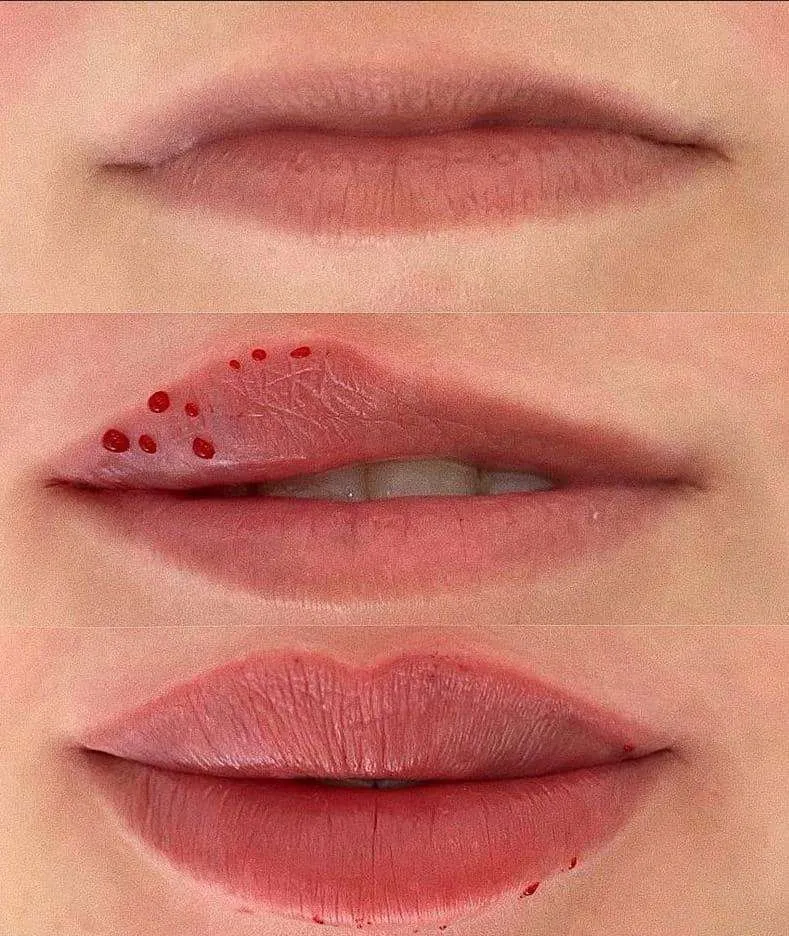
Quick Overview – Hyaluronidase
| What It Is | An enzyme that dissolves hyaluronic acid (HA) filler |
|---|---|
| Why Used | Filler correction, overfilling, asymmetry, lumps, migration, vascular complications |
| Treatment Time | 15–30 minutes depending on area |
| Results Window | Initial results often visible within 24–48 hours |
| Price | From £250 |
| Assessment Required | Yes |
| Assessment Fee | £20, deductible from treatment if you proceed |
| Locations | Littlehampton & Hove |
Common reasons patients seek filler dissolving
Hyaluronidase is a corrective tool used when filler needs to be reduced, removed, or urgently treated. It is not positioned as a routine treatment.
| Reason | Description |
|---|---|
| Overfilling | Too much filler in one area, such as lips or cheeks |
| Asymmetry | Uneven results that cannot be balanced with more filler |
| Lumps or nodules | Palpable filler that does not settle naturally |
| Tyndall effect | Bluish discolouration under thinner skin, often under eyes or lips |
| Migration | Filler moving outside the intended treatment area |
| Unwanted results | The patient simply dislikes the appearance |
| Vascular complication | Emergency correction where restoring blood flow is critical |
| Pre-procedure | Before certain procedures where filler needs to be removed |
A simple explanation of filler dissolving
Hyaluronidase works by breaking down the hyaluronic acid chains that make up most common dermal fillers. The body then naturally clears the broken-down fragments.
HA filler is a gel
Most common dermal fillers are made from long chains of hyaluronic acid.
Hyaluronidase breaks it down
The enzyme cuts those chains into smaller pieces.
The body clears the fragments
Broken-down filler is then naturally processed by the body.
Volume reduces or disappears
The treated area usually softens, reduces, or fully dissolves depending on the case.
Assessment, treatment, aftercare, and review
Hyaluronidase treatment should be planned carefully. Angel White’s approach is assessment-first, cautious in dosing, and review-led.
Step 1: Assessment
We review your filler history, examine the area, discuss goals, confirm suitability, and create a treatment plan.
Step 2: Treatment
Very small amounts of hyaluronidase are injected into the filler area. Smaller cautious doses are often safer than one large dose.
Step 3: Immediate Aftercare
Mild swelling or redness can happen. Avoid touching, massaging, alcohol, heat, and strenuous exercise for 24 hours.
Step 4: Review
A follow-up is used to assess the result. Some cases need more than one session.
Why some cases need more than one treatment
Most patients need 1–3 sessions, but that depends on filler type, volume, age, and how the body responds.
| Factor | Why It Matters |
|---|---|
| Filler type | Some products are more cross-linked and harder to dissolve |
| Filler amount | Larger volumes may need more enzyme or more than one session |
| Filler age | Older filler may be more difficult to dissolve completely |
| Product brand | Different brands dissolve at different rates |
| Individual response | Everyone metabolises filler differently |
What results patients can usually expect
Hyaluronidase works quickly, but review is still important because swelling, residual product, and treatment goals all affect the final result.
| Timeline | What Happens |
|---|---|
| 24–48 hours | Initial filler dissolution is often visible |
| 1 week | Most filler should be reduced, though some swelling may remain |
| 2 weeks | Review point and clearer final result |
| 1–3 months | Natural hyaluronic acid in the area continues to recover |
Common short-term effects and important cautions
Hyaluronidase is generally safe when used by an experienced clinician, but all injectable treatments carry potential risks and side effects.
Mild swelling or redness
Common short-term injectable side effects.
Tenderness or bruising
Usually temporary and settles over time.
Allergic reaction
Rare, but important to screen for carefully before treatment.
Over-dissolving
Too much correction can remove more filler than intended, which is why cautious dosing matters.
Incomplete dissolution
Some filler may remain and need another session.
Temporary loss of natural volume
Your own natural HA can be reduced briefly, then regenerates.
Contraindications and assessment flags
Suitability must be checked before treatment. Not every patient or filler type is appropriate for hyaluronidase.
| Contraindication | Reason |
|---|---|
| Active infection | Treatment should not be given into an infected area |
| Pregnancy or breastfeeding | No clear safety data for elective treatment |
| Known hyaluronidase allergy | Absolute contraindication |
| History of bee / wasp anaphylaxis | Extra caution is needed because of structural similarity |
| Unrealistic expectations | Assessment is needed to make sure outcomes are appropriate |
| Non-HA filler | Hyaluronidase does not work on non-hyaluronic-acid filler |
Correction compared with natural filler fade
Some patients want fast correction, while others prefer to wait for filler to dissolve naturally. This table helps explain the difference.
| Factor | Hyaluronidase | Natural Dissolution |
|---|---|---|
| Timeframe | Often 24–48 hours for visible change | Usually 6–24 months depending on product |
| Predictability | Higher and more controlled | Lower and less predictable |
| Cost | From £250 | No treatment cost, but you wait |
| Control | Partial or complete removal may be possible | You cannot control how or when it fades |
| Best for | Urgent correction, unwanted results, complications | Minor concerns where the patient prefers to wait |
Hyaluronidase training course at Angel White
Angel White also offers a dedicated Hyaluronidase Course for aesthetic practitioners who want to safely offer filler correction, dissolving, and complication management.
What patients want vs what Angel White offers
Patients seeking filler correction usually want honesty, experience, cautious treatment planning, and proper follow-up support.
| What Patients Want | What Angel White Offers |
|---|---|
| Experienced clinicians | Medically led clinic positioning with 14+ years of founder experience |
| Honest assessment | We assess whether dissolving is appropriate or whether waiting may be better |
| Safe, cautious approach | Smaller doses and review-based treatment planning |
| Convenient locations | Littlehampton and Hove clinics |
| Trusted reputation | 4.5 Google rating and Small Business of the Year 2017 recognition |
| Follow-up support | Aftercare and review process built into treatment planning |
Littlehampton Clinic
19 Beach Rd, Littlehampton, BN17 5JA
Hove Clinic
6 Woodland Parade, Woodland Drive, Hove, BN3 6DR
Common questions about hyaluronidase
Filler assessment and correction with a cautious, medically led approach
If you are unhappy with filler results because of overfilling, unevenness, lumps, migration, or simply because the result is not what you wanted, book a no-obligation assessment with Angel White.