Aesthetic treatments can play a useful role in improving skin texture, supporting hydration and addressing visible signs of ageing. However, more treatments do not always lead to better results. Skin needs time to respond, recover and return to its normal balance between procedures.
It is easy to focus on the next treatment when following a skincare or rejuvenation plan. A course of peels, microneedling sessions or injectable treatments may have been recommended, and you may feel tempted to keep progressing towards your desired results. Yet there are times when continuing is not the best decision.
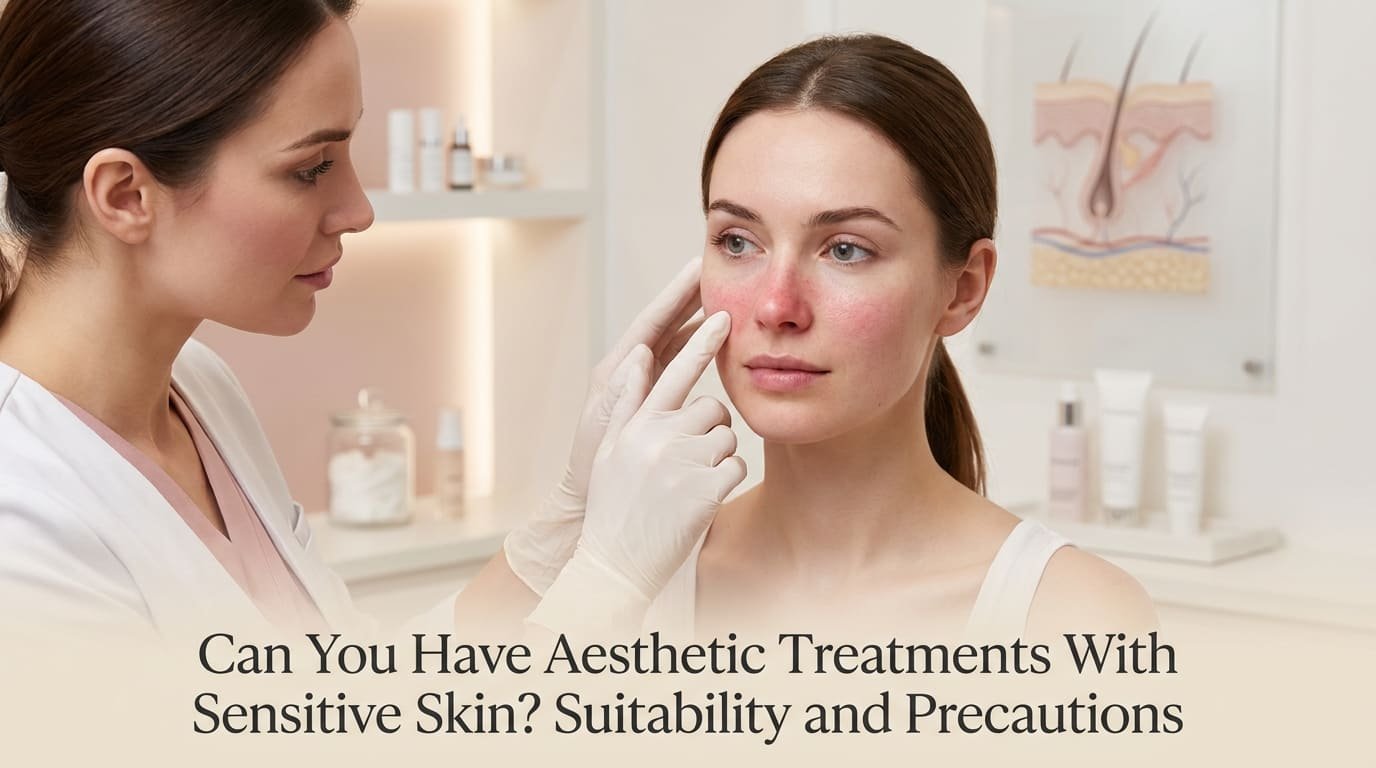
Persistent redness, unusual sensitivity, ongoing dryness and delayed recovery can all suggest that your skin needs attention before another procedure is considered. These changes do not automatically mean that a treatment has caused damage. They do mean that your skin should be assessed rather than exposed to further irritation.
Knowing when to pause is an important part of responsible aesthetic care. It helps protect the skin, supports appropriate recovery and allows future treatment decisions to be based on its actual condition.
Why Skin Sometimes Needs a Break From Aesthetic Treatments
Every aesthetic procedure places a different level of demand on the skin. Some treatments mainly support hydration, while others deliberately create a controlled response in the skin to encourage renewal or stimulate collagen production.
Chemical peels, microneedling and certain laser procedures can temporarily affect the skin barrier. Injectable treatments may also cause short term swelling, tenderness, bruising or inflammation around the treated area. These responses vary according to the procedure, the individual and the condition of the skin before treatment.
Recovery is not identical for everyone. A person with healthy, resilient skin may recover differently from someone experiencing dryness, sensitivity or an existing skin condition.
Problems can arise when treatments are repeated before the skin has adequately recovered. Combining several procedures without considering their individual recovery requirements can also make it harder to identify the cause of irritation.
Aesthetic treatment planning should therefore consider more than the desired result. It should account for skin health, previous procedures, current symptoms and the time needed between appointments.
1. Redness That Lasts Longer Than Expected
Some redness is a recognised response to procedures such as microneedling, chemical peels and laser treatments. Its duration depends on the treatment intensity and the individual's response.
However, redness that continues beyond the expected recovery period deserves attention. It is particularly important when it becomes more noticeable instead of gradually settling.
You may notice persistent pinkness, patches of inflammation or a flushed appearance that does not return to normal. The skin may also feel warm, uncomfortable or unusually sensitive.
These symptoms can have several explanations. The skin may still be recovering, or there may be irritation from skincare products, an inflammatory skin condition or another reaction that needs assessment.
Do not assume that another treatment will resolve persistent redness. Pause further procedures and contact the practitioner who performed the treatment. If redness is spreading, accompanied by increasing pain, warmth, discharge or fever, seek prompt medical assessment.
2. Increased Sensitivity to Skincare Products
Another sign that your skin may need a break is a sudden increase in sensitivity.
Products that you previously used without difficulty may begin to cause stinging, burning or discomfort. This can happen with moisturisers, cleansers, sunscreen or active ingredients such as retinoids and exfoliating acids.
The skin barrier plays an important role in maintaining hydration and protecting the surface from external irritants. When its function is disrupted, the skin may become more reactive.
Repeated exfoliation, strong skincare ingredients and procedures that affect the outer layers of the skin can contribute to irritation, particularly when combined without suitable recovery time.
If ordinary skincare products begin to cause discomfort, avoid introducing additional active ingredients. Discuss your routine with a qualified professional and ask whether any products should be temporarily stopped.
A simpler routine may be more appropriate while the skin settles. This usually means gentle cleansing, a suitable moisturiser and sun protection, provided these products are comfortable for your skin.
3. Dryness, Tightness and Persistent Flaking
Mild dryness or flaking can occur after certain resurfacing treatments. It may form part of the expected recovery process.
The concern is when dryness becomes persistent, uncomfortable or progressively worse. You might notice rough patches, tightness after washing, visible scaling or skin that feels uncomfortable throughout the day.
These changes can indicate that the skin is struggling to maintain its normal moisture balance. They may also be linked to overuse of exfoliating ingredients, environmental exposure or an unsuitable skincare routine.
Adding more treatments to address dryness is not always helpful. For example, another exfoliating procedure may increase discomfort if the skin has not recovered from the previous one.
A practitioner should assess the skin before recommending further treatment. The priority may be to support the skin barrier and identify what is contributing to the dryness rather than pursuing another rejuvenation procedure.
4. Burning, Stinging or Discomfort That Does Not Settle
A temporary sensation can occur during or shortly after some aesthetic procedures. However, persistent burning or stinging should not be dismissed as a normal part of the process.
Pay attention to discomfort that continues after treatment, becomes more intense or appears when applying ordinary skincare products. It may suggest irritation, an adverse reaction or another issue requiring professional review.
The location and timing of symptoms can provide useful information. For example, discomfort limited to a treated area may need a different assessment from widespread sensitivity affecting several areas of the face.
Avoid applying additional exfoliants, fragranced products or strong active ingredients while the cause remains unclear. Contact your practitioner and explain when the discomfort started, which products you have used and whether the symptoms are improving.
Severe or worsening pain requires prompt medical assessment, particularly after an injectable procedure.
5. Breakouts or New Inflammation After Repeated Procedures
Some people notice temporary blemishes after a skin treatment. This can happen for different reasons, including irritation, product reactions or changes in the skin's normal condition.
However, repeated breakouts, inflamed spots or worsening skin irritation should be reviewed before another procedure is scheduled.
It is important to distinguish between a temporary reaction and an underlying skin concern. Not every breakout is skin purging, and assuming that all new blemishes are a positive sign can delay appropriate care.
Inflamed acne, active skin infections and open lesions may affect whether certain treatments are suitable. A practitioner should examine the skin and decide whether the planned procedure needs to be postponed.
If you notice painful swelling, spreading redness, pus or increasing warmth, seek medical advice rather than attempting to manage the problem with another aesthetic treatment.
6. Your Skin Has Not Recovered Before the Next Appointment
One of the most important reasons to pause treatment is incomplete recovery.
A treatment schedule should be based on the procedure performed and the condition of the skin. There is no single recovery period that applies to every aesthetic treatment or every patient.
For example, a superficial skin treatment and a more intensive resurfacing procedure have different recovery requirements. Injectable treatments also have their own review and recovery considerations.
If your skin remains swollen, tender, irritated or visibly unsettled when the next appointment approaches, tell your practitioner before proceeding.
Do not feel pressured to continue simply because a course has already been booked. The original plan may need to change in response to how your skin has recovered.
A responsible practitioner should be willing to reassess the skin and postpone treatment when necessary.
7. You Are Combining Too Many Active Ingredients and Procedures
Sometimes the issue is not one treatment but the overall routine.
A person may use retinoids, exfoliating acids and other active skincare ingredients while also having regular peels, microneedling or energy based procedures. Each element may have a place in an appropriate plan, but their combined effect needs consideration.
Using several active products without understanding their purpose can increase irritation. Scheduling procedures too closely together may also make recovery more difficult.
This does not mean that active skincare and professional treatments can never be combined. It means that the timing, strength and suitability of each element should be reviewed.
Keep a record of your skincare products and recent procedures. Share this information during consultations so your practitioner can identify possible sources of irritation and recommend a suitable approach.
8. You Develop an Unexpected Reaction After Treatment
Unexpected reactions should always be taken seriously, even when they appear several days after a procedure.
Depending on the treatment, possible concerns include unusual swelling, persistent lumps, increasing tenderness, blistering, changes in skin colour or symptoms that worsen rather than improve.
After injectable treatments, severe pain, pale or dusky skin, unusual mottling or changes in vision require urgent medical attention. Vision changes after facial filler treatment are a medical emergency. Do not wait for a routine appointment or assume that the symptoms will resolve on their own.
Signs of possible infection, such as spreading redness, increasing warmth, worsening pain, pus or fever, also need prompt medical assessment.
Contact the treating practitioner immediately if you experience an unexpected reaction. If symptoms are severe or urgent, seek emergency medical care. Aesthetic aftercare instructions should never replace medical assessment when warning signs appear.
9. Your Skin Condition Has Changed Since Your Last Consultation
Skin is not static. Its condition can change with age, hormonal fluctuations, medication, illness, stress, weather and changes in skincare habits.
A treatment that was suitable several months ago may not be the right choice today.
For example, someone who previously tolerated exfoliating treatments may develop increased sensitivity. Another person may experience a flare of an existing skin condition or begin using medication that affects their skin.
These changes should be discussed before the next appointment. Your practitioner may recommend a different treatment, a longer interval or a temporary pause.
It is also important to disclose relevant medical history, allergies, medication changes and previous reactions. These details help the practitioner assess suitability and reduce avoidable risks.
How Long Should You Pause Aesthetic Treatments?
There is no universal waiting period. The appropriate break depends on the treatment, the symptoms and the reason for pausing.
After a superficial procedure, recovery may be relatively short. More intensive resurfacing treatments can require a longer recovery period. Injectable treatments have separate guidance depending on the product, technique and treated area.
The decision to restart should not be based on the calendar alone. Your skin should be assessed, symptoms should have settled and any previous reaction should be understood before another procedure is considered.
During the recovery period, follow the aftercare instructions provided for your treatment. Avoid experimenting with new products or restarting strong active ingredients without suitable guidance.
Sun protection is also important, particularly after procedures that affect the outer layers of the skin. Use a sunscreen appropriate for your skin and follow the specific advice given by your practitioner.
If symptoms continue or return, arrange another assessment rather than repeatedly extending your routine or attempting additional treatments at home.
What Should You Do While Your Skin Takes a Break?
A treatment pause does not mean ignoring your skin. It is an opportunity to focus on basic skin care and allow any irritation to settle.
A simple routine is often easier to manage during recovery.
Use gentle cleansing. Choose a cleanser that does not leave your skin feeling tight or uncomfortable. Avoid harsh scrubbing and unnecessary exfoliation.
Support skin hydration. Use a suitable moisturiser to help maintain comfort and reduce dryness. Your practitioner can advise on ingredients that are appropriate after your specific procedure.
Protect your skin from sunlight. Apply suitable broad spectrum sun protection and follow any additional precautions recommended after treatment.
Avoid unnecessary active ingredients. Retinoids, exfoliating acids and other potentially irritating products may need to be paused temporarily. The decision depends on the procedure and your skin condition.
Do not pick or peel the skin. Pulling at flaking skin, squeezing blemishes or removing healing areas can increase irritation and interfere with recovery.
Follow professional aftercare advice. Different procedures have different requirements. General skincare advice should not replace the instructions provided by your treating practitioner.
When Is It Safe to Restart Aesthetic Treatments?
Restarting should be a clinical decision based on recovery and suitability, rather than a fixed number of days.
Before another procedure, the practitioner should review whether redness, swelling, sensitivity and other symptoms have resolved. They should also consider what caused the original problem and whether the planned treatment remains appropriate.
You may not need to abandon your original skincare goals. A revised plan could involve longer intervals, fewer active procedures or a different approach that better suits your skin.
In some cases, further treatment may not be appropriate until an underlying skin condition has been assessed or managed.
An honest consultation should include the possibility of postponing treatment. The aim is not to complete as many procedures as possible. It is to make sensible decisions that protect skin health and support realistic outcomes.
Frequently Asked Questions
Can I have another aesthetic treatment if my skin is still red?
It depends on the cause and severity of the redness. Mild, expected redness may be part of normal recovery after some procedures. Persistent, worsening or unexplained redness should be assessed before another treatment is performed.
Should I stop using retinol after an aesthetic procedure?
Retinol may need to be paused around certain procedures because it can increase irritation. The appropriate timing depends on the treatment and your skin's condition. Follow the specific advice provided by your practitioner rather than restarting it according to a general online schedule.
Is skin sensitivity a reason to cancel an appointment?
New or increased sensitivity should be discussed before your appointment. Your practitioner may need to examine your skin and decide whether the procedure should be postponed.
Can too many aesthetic treatments damage the skin barrier?
Repeated procedures, particularly when combined with unsuitable skincare ingredients or insufficient recovery time, can contribute to irritation and disruption of the skin barrier. This is why treatment intervals and aftercare matter.
Does taking a break mean I have to stop aesthetic treatments permanently?
No. A pause is often a temporary measure while the skin recovers or an underlying concern is assessed. Whether you can restart depends on the reason for the break and the suitability of future procedures.
Final Thoughts
Aesthetic treatments should be planned around the condition of your skin, not simply around a regular appointment schedule. Persistent redness, sensitivity, dryness, burning and delayed recovery are signs that deserve attention before another procedure is considered.
Taking a break is not a setback. It can be an important part of responsible skin care and long term treatment planning.
At Angel White Aesthetics, an individual assessment can help determine whether your skin is ready for another treatment or whether a period of recovery would be more appropriate. The right approach begins with understanding your skin, listening to its response and choosing treatments with care.