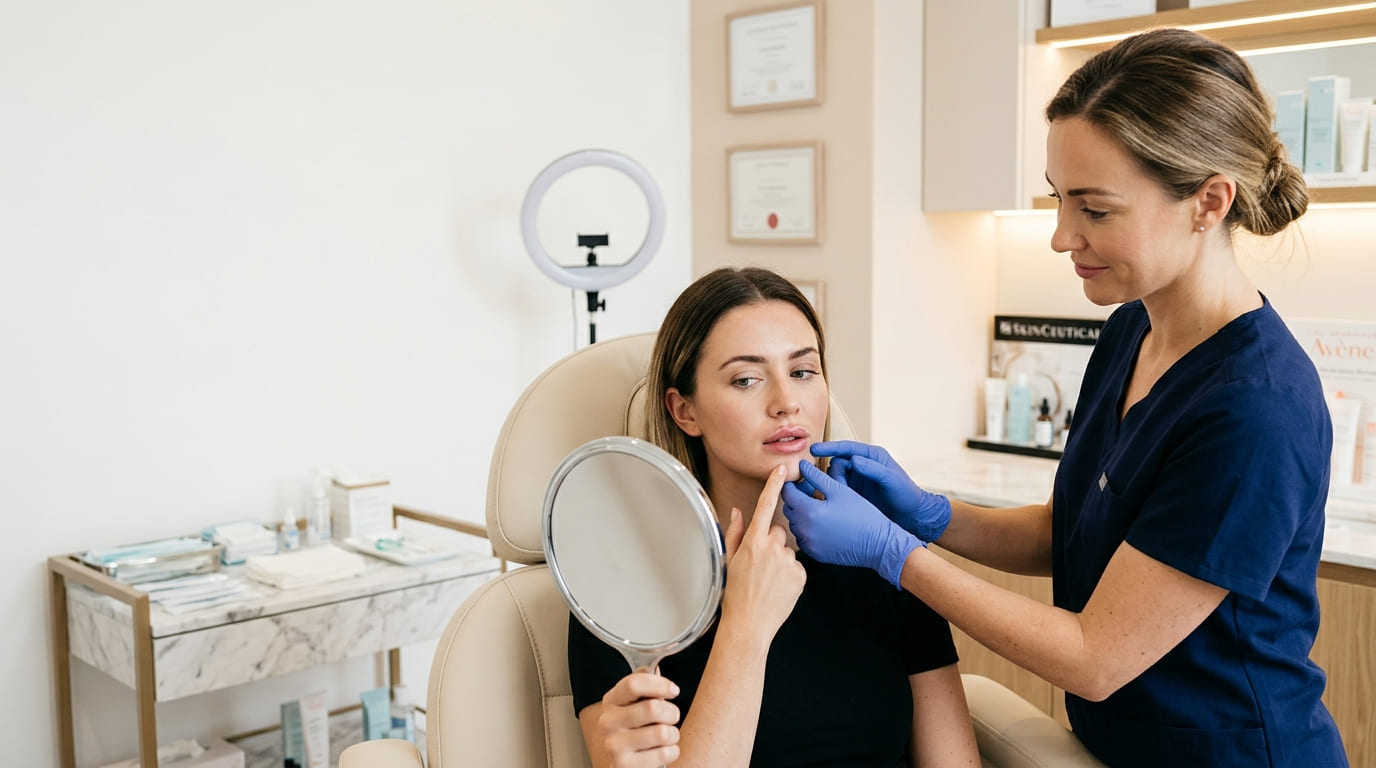
Lip filler swelling is one of the most common things patients notice after treatment. For most people, it is a normal part of the healing process and settles gradually as the lips recover, the filler integrates, and the tissue returns to balance.
At Angel White Aesthetics in Littlehampton, many patients search for reassurance after their appointment because their lips look fuller, uneven, tender, or more swollen than expected. The good news is that post-treatment swelling is usually temporary. However, knowing the difference between normal lip filler swelling and warning signs that need clinical advice is important.
This guide explains the lip filler swelling timeline, what happens day by day, when lip swelling goes down, and when you should contact your clinic.
Why Do Lips Swell After Filler?
Lip filler swelling happens because the lips are delicate, vascular, and sensitive. During treatment, a hyaluronic acid filler is placed into the lip tissue using small injections. Even with careful technique, the treatment creates a controlled tissue response.
Swelling can be caused by:
- Injection-related trauma
- Temporary inflammation
- Fluid retention
- Hyaluronic acid attracting water
- Mild bruising around small blood vessels
- Natural post-injection oedema
- The filler settling into the tissue
This is called transient swelling, meaning it should reduce as the tissue heals. Some patients also experience tenderness, firmness, mild bruising, or lopsided lips after filler during the early recovery timeline.
Lip Filler Swelling Timeline: Day by Day
Every patient heals differently, but most swelling follows a predictable tissue response curve. The timeline below gives a realistic calendarised view of what many patients experience after lip injections.
Day 0: Immediately After Treatment
Straight after treatment, lips can look significantly fuller. This is not your final result. The volume you see on the day includes the filler itself, immediate swelling, and early tissue response.
A useful expectation is that lips may look around 50% more swollen than the final settled result on day 0. They may feel tight, tender, or slightly firm. Some small injection marks or redness can also appear.
This is usually normal. Avoid judging the shape or size of your lips immediately after treatment.
Day 1 to Day 2: Peak Swelling
Swelling often peaks within the first 24 to 48 hours. This is when many patients start searching for “lip filler swelling how long” or “lips still swollen after filler.”
During this stage, lips may look puffy, uneven, or slightly lopsided. One side may swell more than the other because each side of the lip can respond differently to injection points, bruising, and tissue pressure.
You may notice:
- Puffy lips
- Tightness
- Mild discomfort
- Bruising
- Uneven swelling
- Tenderness when talking or smiling
This is usually part of normal post-treatment swelling.
Day 3: Swelling Starts to Reduce
By day 3, the swelling often begins to go down. The lips may still look larger than expected, but the peak usually starts to pass. A helpful guide is that swelling may still be around 30% above the final result.
At this stage, product settling and tissue equilibration begin. This means the filler starts to integrate into the surrounding tissue while the body clears excess fluid.
If your lips are still swollen on day 3, this does not automatically mean something is wrong.
Day 4 to Day 7: Shape Becomes Clearer
During the first week, bruising and swelling continue to improve. Some patients still feel small firm areas, mild lumpiness, or uneven swelling. This can be normal while the filler softens and the tissue settles.
By day 7, swelling is often much lower, sometimes around 10% above baseline. However, if you search “lip filler still swollen after a week,” the answer depends on how severe the swelling is, whether it is improving, and whether there are other symptoms.
Mild residual swelling after one week can happen. Swelling that is getting worse, painful, hot, or associated with colour changes should be checked.
Day 10 to Day 14: Final Settling Phase
Most patients find their lips look much more normal by 10 to 14 days. This is when the shape, softness, and symmetry are easier to assess.
By day 14, swelling should usually be close to baseline, and the filler should look more settled. This is the best time to judge whether the result is balanced or whether a follow-up appointment is needed.
If you are asking “when do lips look normal after filler,” the most reliable answer is usually around two weeks.
What Is Normal After Lip Filler?
Normal recovery can include:
- Mild to moderate swelling
- Tenderness
- Bruising
- Redness at injection points
- Temporary firmness
- Slight unevenness
- Lips feeling tight
- Minor lumpiness during settling
These symptoms should gradually improve, not worsen.
Normal lip filler swelling usually follows a downward pattern after the peak. The lips may fluctuate slightly, especially in the morning, after salty food, after exercise, or if you touch the area too much.
What Helps Lip Filler Swelling Go Down?
Good lip filler aftercare can support healing and reduce unnecessary irritation. Angel White Aesthetics provides post-treatment guidance, and patients can also read the dedicated aftercare page here: /lip-filler-aftercare-littlehampton
Helpful steps may include:
Use a Cold Compress Carefully
An ice pack protocol can help with early swelling. Wrap the ice pack in a clean cloth and apply it gently for short periods. Do not press hard, massage aggressively, or place ice directly on the skin.
Keep Your Head Elevated
Sleeping slightly elevated on the first night can help reduce fluid pooling and support lymphatic drainage.
Avoid Alcohol and Heavy Exercise
Alcohol and intense exercise can increase blood flow and make bruising or swelling worse. It is usually best to avoid them for at least 24 to 48 hours after treatment, or as advised by your practitioner.
Avoid Touching or Pressing the Lips
Do not keep checking, squeezing, or massaging the lips unless your injector has specifically told you to. Too much pressure can irritate the tissue and interfere with product settling.
Consider Arnica Montana
Some patients use arnica montana for bruising support, although results vary. Always follow safe usage guidance and check with your practitioner if you are unsure.
Stay Hydrated
Hyaluronic acid filler works with water in the tissue. Good hydration supports general healing, but it will not instantly remove swelling.
Bruise vs Oedema Differentiation
It is helpful to understand the difference between bruising and oedema.
Oedema is swelling caused by fluid in the tissue. It often feels puffy, soft, and tight. Bruising is caused by small blood vessels being affected during injection. It may appear blue, purple, red, or yellow as it heals.
Both can happen after lip filler. Mild bruising and post-injection oedema are common and usually settle over several days.
When Should You Worry About Lip Filler Swelling?
Although swelling is usually normal, some symptoms need prompt clinical advice. Contact your clinic if you notice:
- Severe or worsening pain
- Swelling that is not going down
- Lips becoming increasingly hot or red
- Pus, fever, or signs of infection
- White, grey, dusky, or mottled skin
- Blistering
- Severe asymmetry that worsens
- Sudden intense pain
- Swelling that appears days later and keeps increasing
- Any symptom that feels unusual or concerning
These signs may suggest pathological swelling rather than physiological swelling. In rare cases, complications such as infection, allergic reaction, or vascular occlusion need urgent assessment.
If you are worried, do not wait for online reassurance. Contact your practitioner or seek medical help.
Why Are My Lips Lopsided After Filler?
Lopsided lips after filler are often caused by uneven swelling rather than uneven filler placement. One side may bruise more, retain more fluid, or respond more strongly to injection.
This usually improves as swelling reduces. However, final symmetry should not be judged until around two weeks, unless there are warning signs such as severe pain, skin colour change, or worsening swelling.
What If My Lip Filler Is Still Swollen After a Week?
Lip filler still swollen after a week can be normal if the swelling is mild and improving. Some people take longer to heal, especially if they had bruising, a larger treatment amount, or sensitive tissue.
However, swelling after one week should not be getting worse. If your lips feel hot, painful, very firm, infected, or increasingly uneven, contact your clinic for advice.
When Does Lip Swelling Go Down Completely?
For most patients, lip swelling goes down significantly within the first week and is close to fully settled by 10 to 14 days. The final result usually looks softer and more natural once product settling and tissue equilibration are complete.
If you are planning an event, allow at least two weeks between lip filler and the occasion.
Why Choose Angel White Aesthetics for Lip Filler in Littlehampton?
Angel White Aesthetics offers lip filler and dermal filler treatments in Littlehampton with a consultation-led approach focused on natural-looking, balanced results. If you are considering treatment, you can learn more about lip filler here: /lip-filler-littlehampton
If you have already had treatment and feel anxious about swelling, aftercare support is part of safe aesthetic care. The right clinic should help you understand what is normal, what is not, and when to come in for review.
Final Thoughts
Lip filler swelling is usually a normal part of the healing process. The most common pattern is swelling straight after treatment, peak swelling in the first 24 to 48 hours, visible improvement by day 3 to 7, and a more settled result by day 14.
Use the day-by-day swelling curve as a guide, but remember that every patient heals differently. Mild swelling, bruising, tenderness, and unevenness can be normal. Severe pain, worsening swelling, infection signs, or skin colour changes should always be checked.
If you are unsure whether your recovery is normal, contact Angel White Aesthetics for personalised guidance.
FAQs
How long does lip filler swelling last?
Lip filler swelling usually lasts a few days, with the most noticeable swelling in the first 24 to 48 hours. Most lips look much calmer after one week, but the final settled result is usually assessed around 10 to 14 days.
When does lip swelling go down after filler?
Lip swelling usually starts going down from day 3 onward. By day 7, most swelling is significantly reduced, although mild puffiness can remain. Lips generally look more normal and balanced by day 14 once the filler has settled.
Is it normal for lips to be uneven after filler?
Yes, uneven swelling after lip filler can be normal in the first few days. One side may bruise or swell more than the other. If asymmetry worsens, becomes painful, or remains obvious after two weeks, contact your clinic.
What helps lip filler swelling go down faster?
A wrapped cold compress, sleeping slightly elevated, staying hydrated, and avoiding alcohol, heat, heavy exercise, and unnecessary touching can help swelling settle. Follow your clinic’s aftercare instructions and avoid massaging unless your injector specifically advises it.
Should I worry if my lip filler is still swollen after a week?
Mild swelling after a week can be normal if it is improving. You should contact your clinic if swelling is worsening, painful, hot, red, very firm, or linked with fever, pus, skin colour changes, or unusual discomfort.
When do lips look normal after filler?
Lips usually look more normal after 7 to 14 days. The final shape is easier to judge after two weeks, once post-treatment swelling, bruising, product settling, and tissue equilibration have had time to improve.